

Lakes, caves, rocks and ruins…
12 – 23 March 2023
R12 800 per person sharing
Do you want to experience the very best that West-Zimbabwe has to offer but you are afraid to do it by yourself or don’t know the “Zimbabwe Ropes”? Join us on this epic Zimbabwe adventure as we explore and experience the beautiful landscapes, people and attractions this part of Africa holds.
This adventure kicks off at Groblersbrug border post from where we’ll travel to Francistown for our first night before crossing the Plumtree border crossing into Zimbabwe the next day.

Zimbabwe has much to offer – extremely beautiful landscapes, friendly people and really wild places. Chuck Thompson once said “No place is ever as bad as they tell you it’s going to be”. The same goes for Zimbabwe. We never listen to what others say, we choose to pave the way in finding new routes and adventures where others fear to go and by doing that we find the most beautiful hidden gems and with this tour we’ll show you those places too.

Places well visit:
• Matopos
• Bulawayo
• Gweru Antelope Park
• Chinhoyi Caves
• Naletale Ruins
• Karoi
• Lake Kariba
• Matusadona National Park
• Mlilbizi
• Hwange National Park
• Pandamatenga
Travel info:
Most places we stay will be a 2 day stay except Francistown and Chinhoyi. Fuel and supplies are readily available. Total distance of tour approx. 1750km. We will re-enter Botswana at Pandamatenga from Hwange at the end of the tour.
Matopos
Matobo National Park is Zimbabwe’s oldest national park. One of its sublime features: the Matopo Hills, a series of granite koppies and wooded valleys formed over 2 billion years ago.
Forty thousand years ago the caves and crevices carved out of these rocks became home to Zimbabwe’s earliest inhabitants, the “San”. Twenty thousand years later “San” artists began painting on the walls of caves and rock shelters, using special pigments and natural minerals that have survived the onslaught of climate and time. We visit some of these on this tour
Another spectacular sight is World’s view , a scenic viewpoint and the burial place of Cecil John Rhodes .The wildlife includes leopards both black rhinos and white rhinos. The park overlooks Maleme Dam where we will be camping.

Chinhoyi Caves
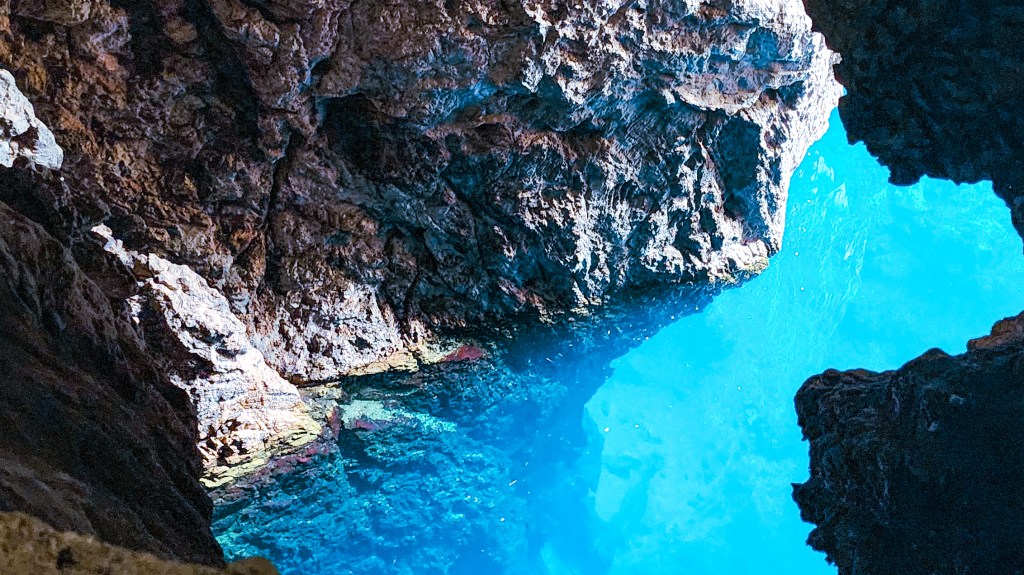
The local name for the cave’s pool, Chirorodziva (“Pool of the Fallen”) comes from an incident that occurred in 1830, where members of the Angonni tribe attacked the local people and threw their victims into the cave to dispose of them.
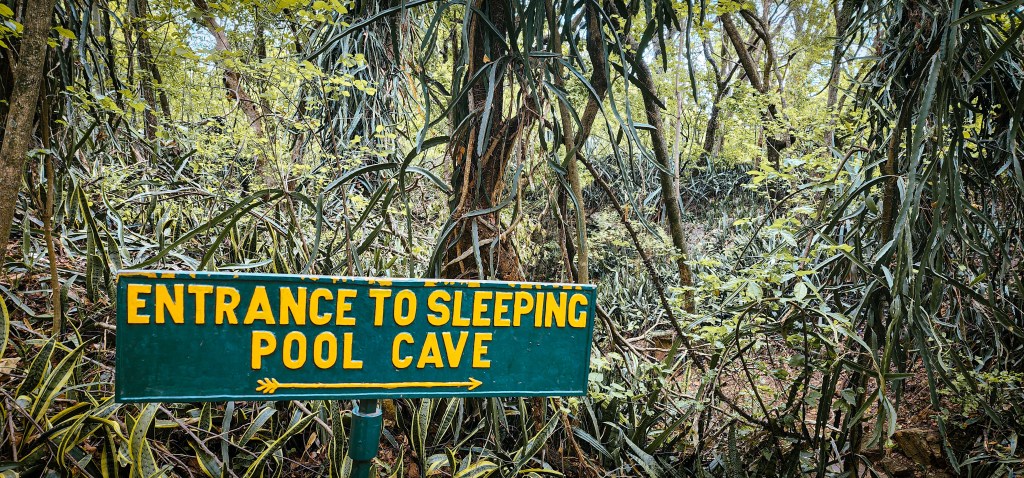
The limestone caves were first described by Frederick Courtney Selous in 1888. These caves are the most extensive cave system in Zimbabwe that the public can access. The cave system is composed of limestone and dolomite. The main cave contains a pool of cobalt blue water, which is popularly called Sleeping Pool or Chirorodziva (“Pool of the Fallen”)
Naletale Ruins
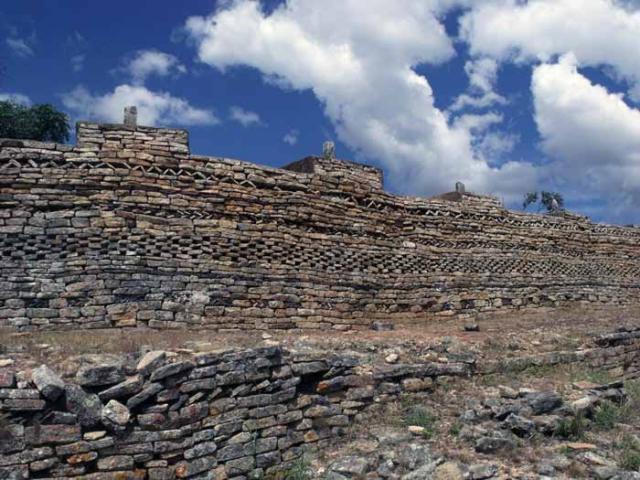
The site is an elliptical complex of dressed granite blocks in the building tradition of Great Zimbabwe. The walls reveal elaborate stonework designs, including check, herringbone, and chevron patterns. In the 1800s, Europeans looking for gold and treasures desecrated the site. Declared a national monument in the 1960s, remedial interventions were undertaken to conserve the ruins.
Matusadona National Park
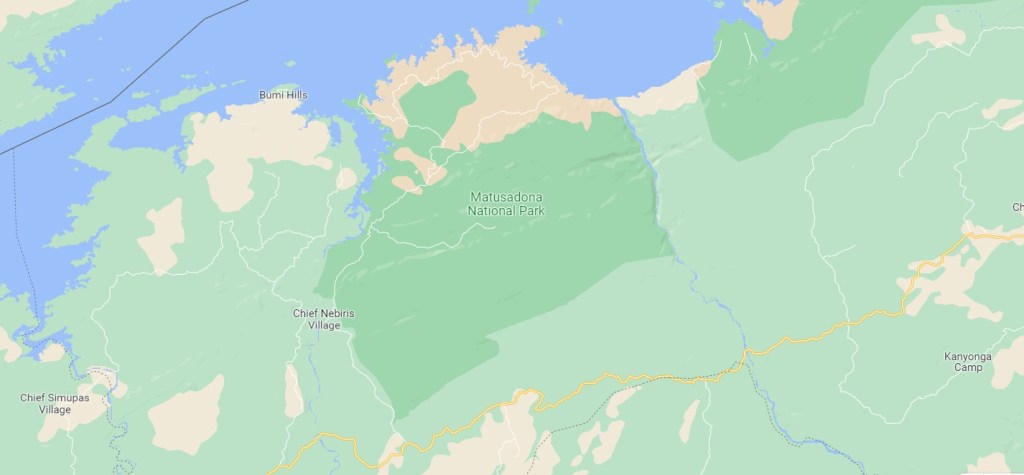
Matusadona National Park gets its name from the rolling Matusadona hills that form part of its water rich landscape. Flanked by Lake Kariba in the north, and two perennial rivers, the Ume and the Sanyati. All of the Big Five are present, including the endangered black rhino. Elephant and buffalo are abundant on the lake shore and hippos can be seen in small pods in the shallows.
The Sanyati River in the east of the park is well known for its breath-taking gorge, which is one of the most beautiful views in Zimbabwe.
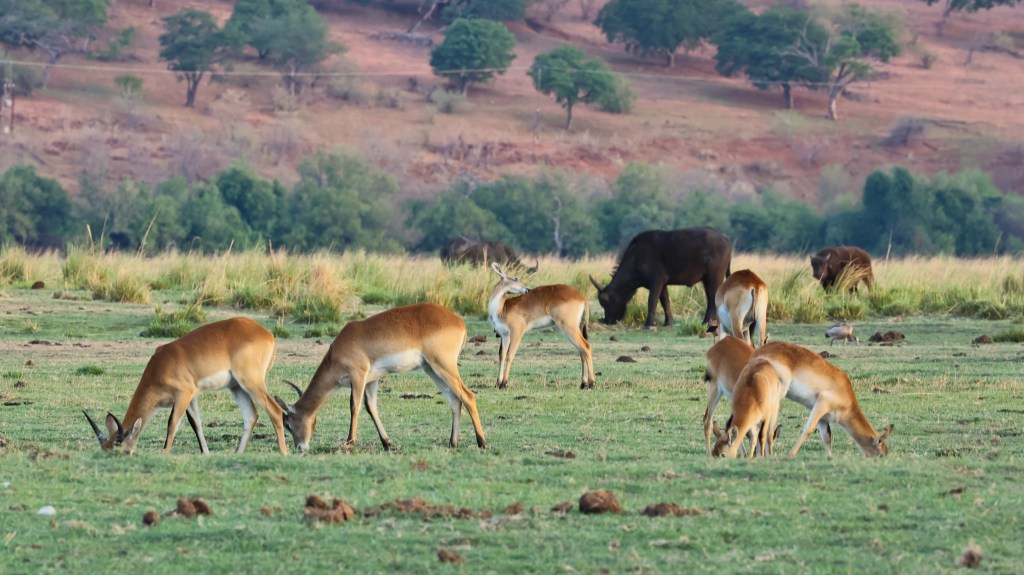
Lake Kariba created the perfect conditions for wildlife to thrive. New lakeshore grazing opportunities attracted entire herds of elephant, buffalo in their thousands, waterbuck, hippo, zebra, and impala while the critically endangered black rhino found sanctuary in Matusadona’s west woodlands.
Matusadona National Park is now home to healthy populations of predators such as crocodile, lion, leopard, spotted genet, side-striped jackal and hyena, and the elusive cheetah has also been spotted. Other common species found in the park include bushbuck, klipspringer, grysbok, roan antelope, kudu, duiker, slender and banded mongoose, warthog, porcupine, bush squirrel, night ape, vervet monkey and chacma baboon.
Hwange National Park
Hwange National Park is the largest in Zimbabwe, covering an impressive 14,650 sq. km. As you’d expect from a park of this size, the breadth of wildlife species is astounding. Over 100 species of mammals reside here, whilst almost 400 species of birds decorate the skies. Perhaps most exciting is the 40,000-strong population of tusker elephants, whose presence is world-renowned and a joy to watch day after day.
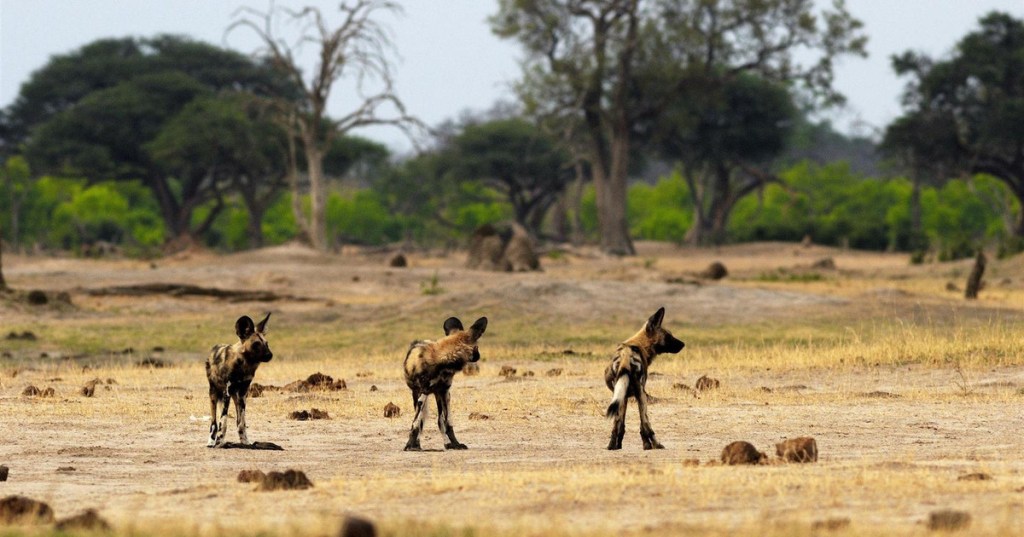
Hwange is arguably one of Africa’s very best game-viewing destinations. This massive park and its creatures can be explored on foot, on horseback, or on a game drive. Hwange’s impressive range of wildlife – lion, leopard, rhino, giraffe, buffalo, zebra, gemsbok, hyena, wild dog, and more – is mirrored by the diversity of the park’s environment: the sandy southern part of the park skirts along the Kalahari Desert and is dotted with semi-arid shrubbery, while the northern grasslands are thick with granite outcrops and groves of teak and mopane trees.
Travel tips
- Malaria is a risk all year round in Zimbabwe. Consult your doctor about the best prophylactics to take, and be sure to wear mosquito repellent and long-sleeved clothing in the evenings to avoid getting bitten.
- Zimbabwe National Parks campsites are unfenced, and as such it is not recommended to camp there with children under 12 years of age.
- Be always conscious of wildlife-related safety. Do not approach or attempt to feed any wild animal, be sure to securely pack food away, and carry a torch when walking around the camp at night.
- There are no gas stations in the parks. You will need to bring fuel needed for 750km range with you.
- Fruit is not allowed into the parks. All trash must be taken out with you when you leave.
What do you need
- A good reliable, serviced 4-wheel drive vehicle.
- Fuel range of app. 750km’s including extra fuel containers like long range tanks and jerry cans.
- Vehicle registration papers or letter of consent from the financing institution as well as a police clearance for your vehicle and trailer.
- Children must have a valid passport and an unabridged birth certificate and letter of consent if not accompanied by both parents.
- Guests from non-SADC countries will need a Visa.
- A passport that is valid for 3 months after our return to SA, valid driver’s license, and ID.
- Camping equipment and cooking/braai accessories.
- Fridge/Freezer
- Malaria Prophylaxis taken as prescribed by your GP.
- Last but not least – A good sense of humor and a positive outlook.
Price includes
· Camping fees
· Guide fees
· Cross border fees excluding 3rd party insurance
· Experienced guide with advanced emergency medical background and medical kit
· 2-way radios
· 2-way Satellite Communications in case of emergency
· Tag along back to SA with guide at your own cost
Not included
· 4×4 vehicle hire
· Any form of insurance including travel insurance
· Fuel
· Food
· Daily activities
· Transfer fees
· Conservation and park entry fees except for parks we camp in
· Medical evacuation
· Anything else not mentioned above in “Price Includes”


